
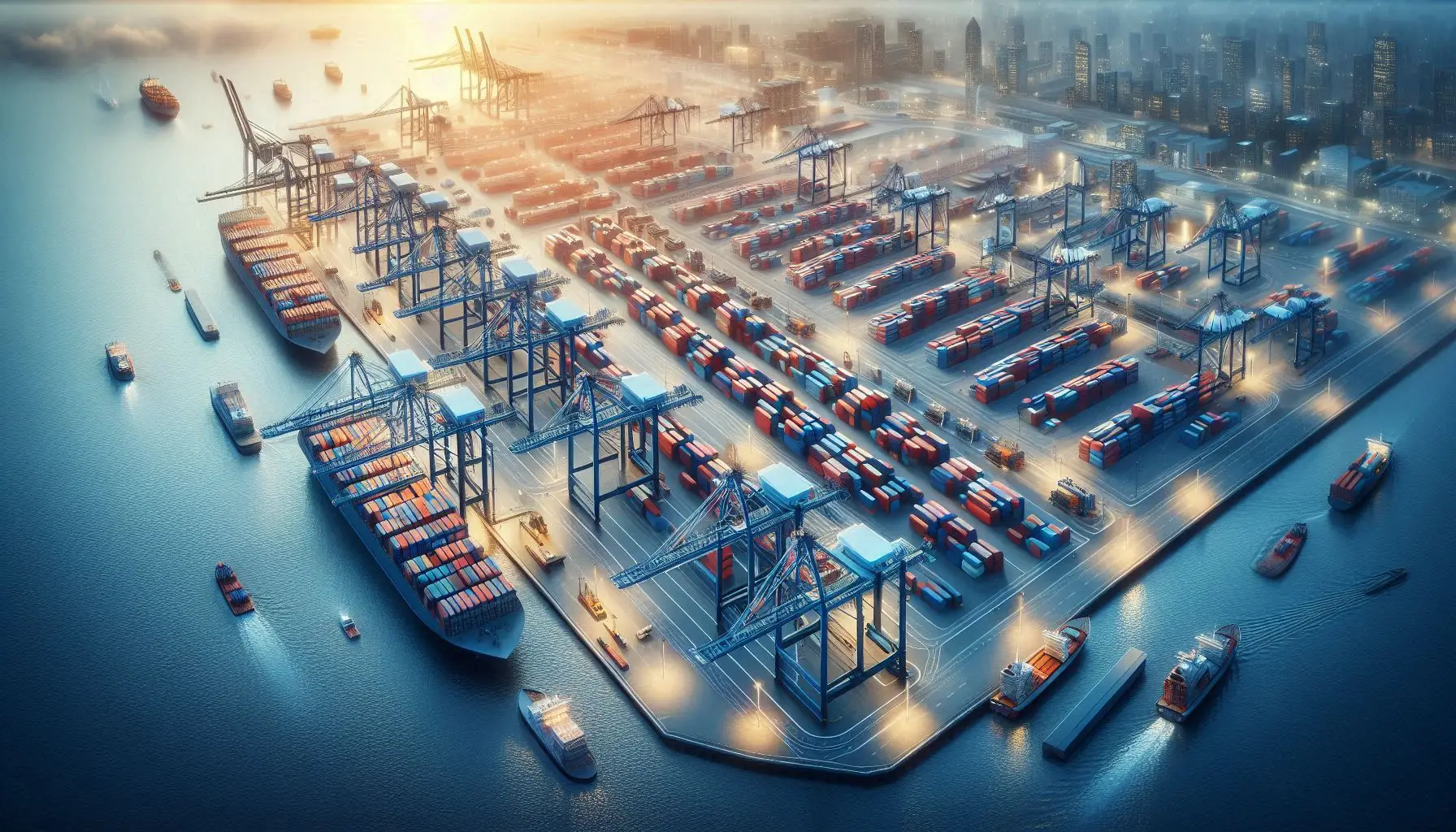
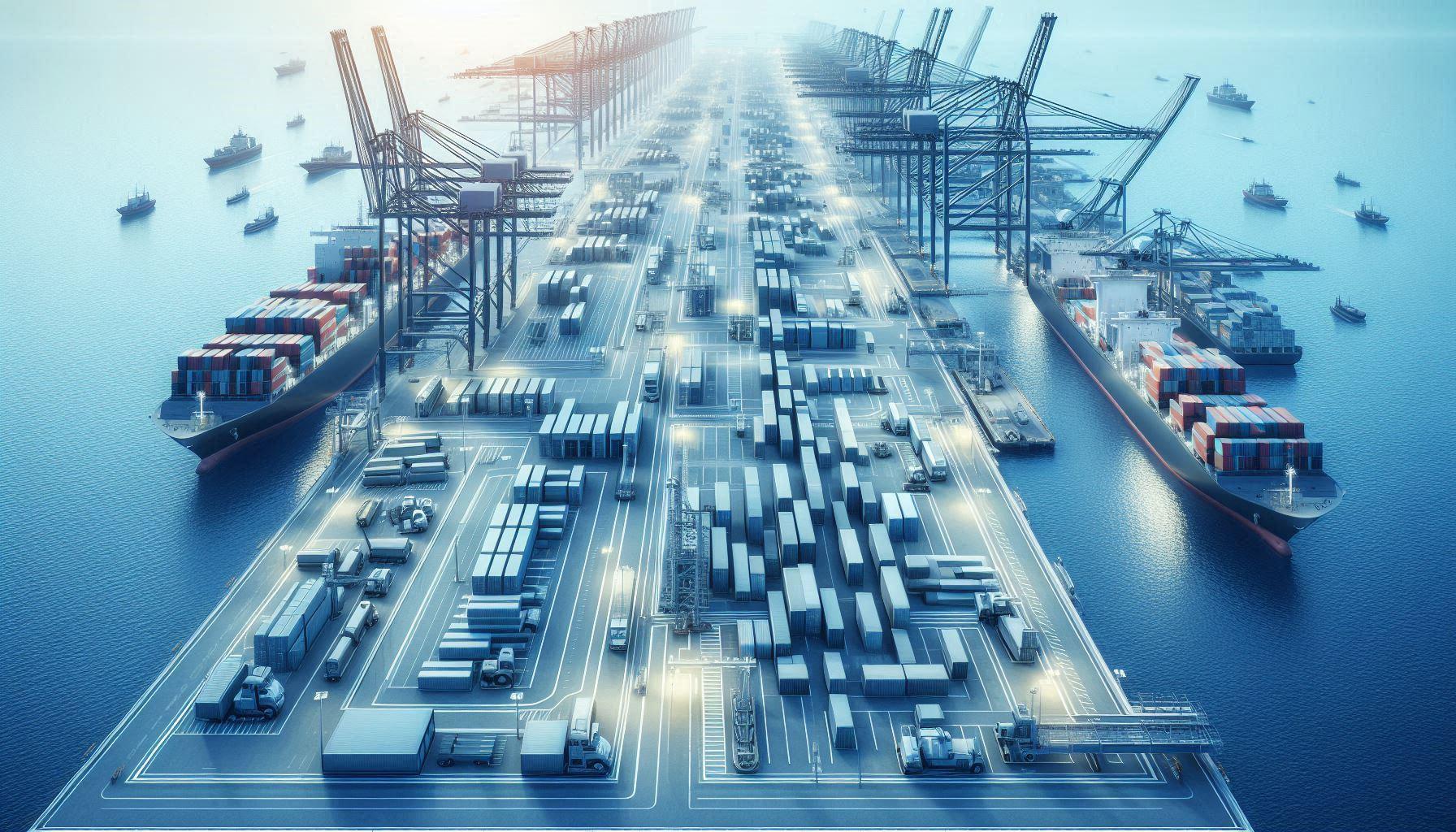
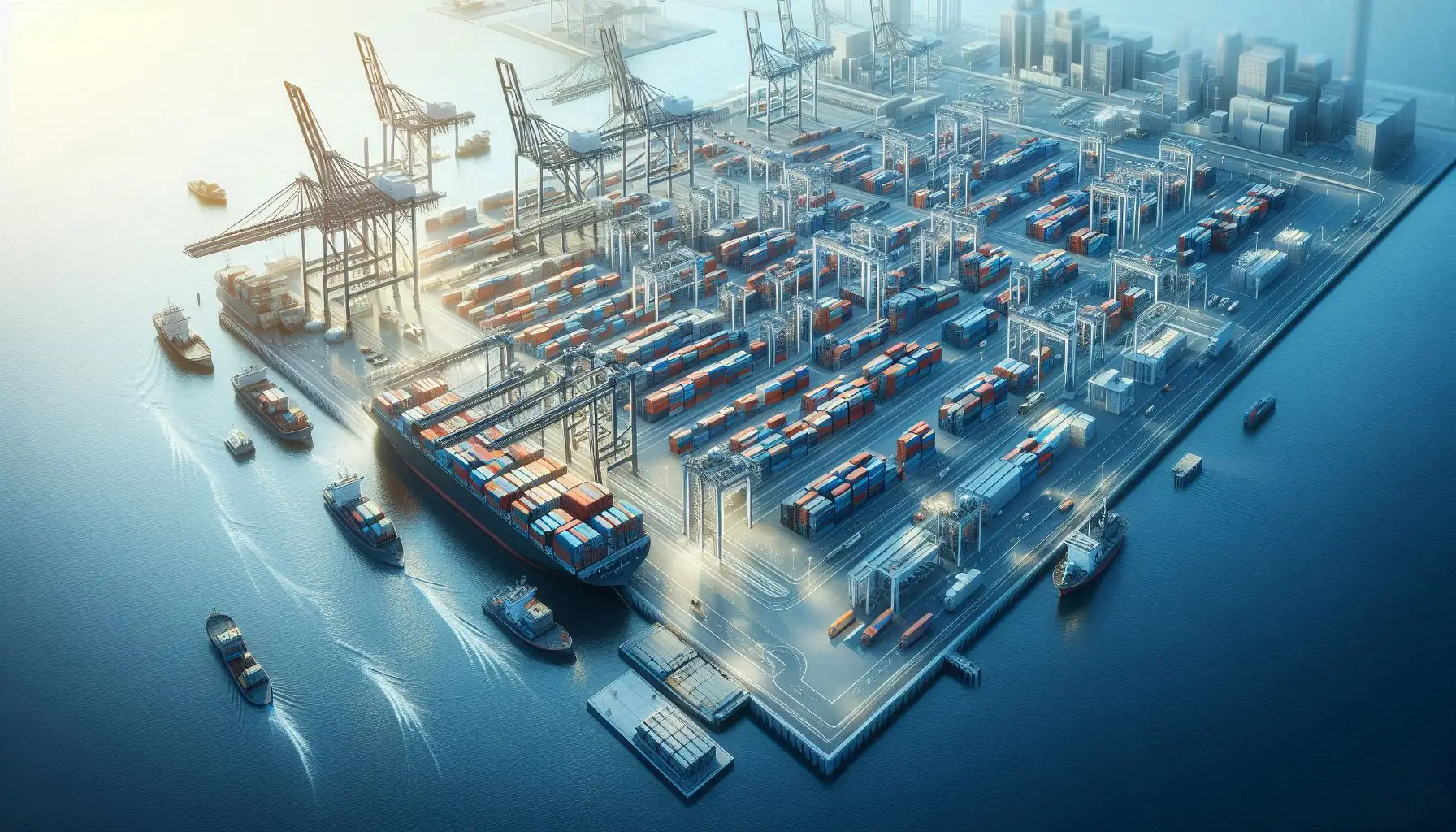
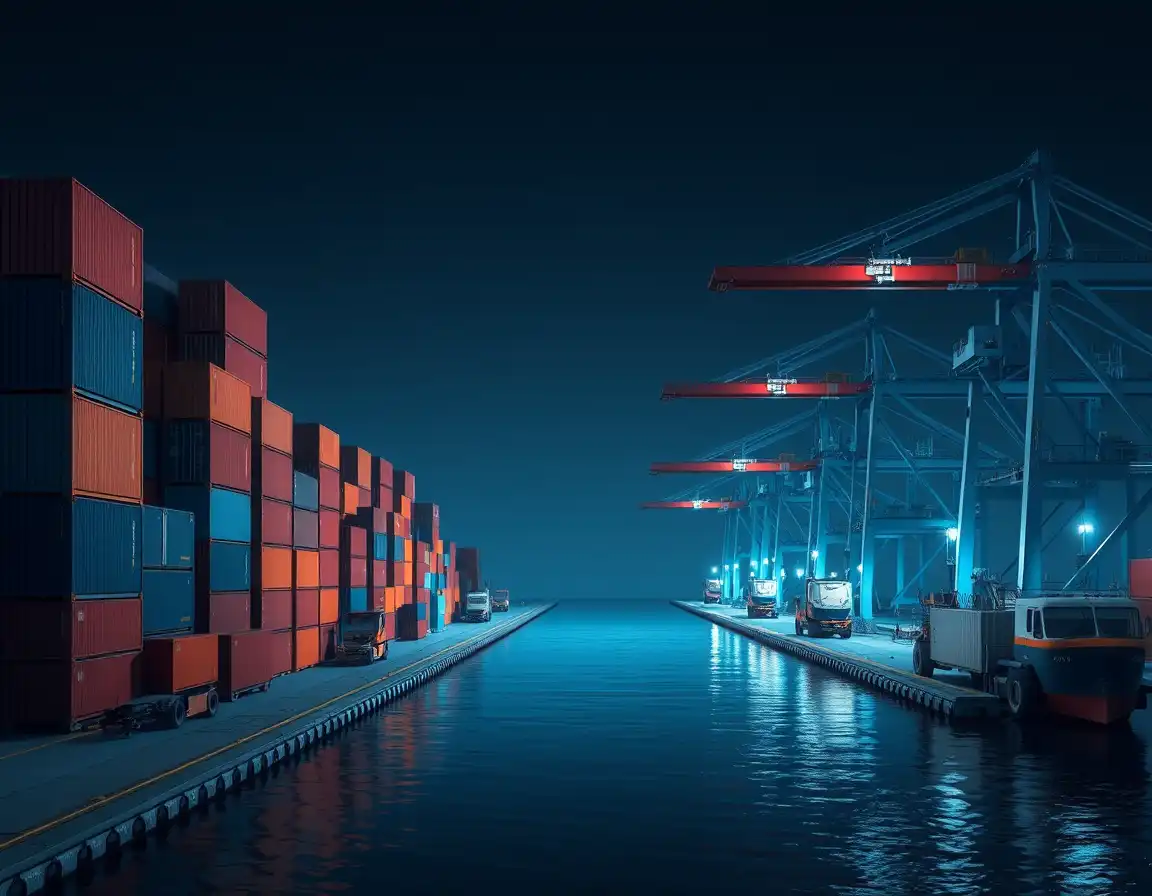
Marine Containers Leasing & Operation Project is considered one of the most promising logistics investments, especially with the growth of global trade and maritime transportation. Below is a comprehensive overview of the project from both technical and economic perspectives:
First: Project Concept
The project is based on purchasing standard marine containers (20ft, 40ft, 40ft High Cube, etc.) and then:
- Leasing them to shipping lines.
- Leasing them to import and export companies.
- Leasing them to logistics service providers and ports.
This is done under short-term or long-term lease contracts.
Second: Types of Containers
- Dry Containers – the most in-demand.
- Reefer Containers – for food and pharmaceuticals.
- Open Top Containers.
- Flat Rack Containers – for heavy and oversized cargo.
- Tank Containers – for liquids and chemicals.
Third: Revenue Sources
- Daily or monthly container leasing.
- Long-term contracts with shipping lines.
- Sub-leasing containers.
- Selling containers at the end of their operational life.
- Service fees (transportation, storage, maintenance).
Fourth: Operating Mechanism
- Purchasing containers (new or used in good condition).
- Registering containers with international container numbers.
- Contracting with shipping companies or direct clients.
- Monitoring movement and operations (tracking & inventory).
- Periodic maintenance and repair.
- Repositioning containers based on demand and port activity.
Fifth: Basic Requirements
1. Technical Requirements Provided by the Company:
- Container management and tracking system.
- Certified maintenance team.
- Storage yards close to ports.
2. Legal Requirements Provided by the Company:
- Required local licenses related to maritime transport, supply chains, and logistics activities.
- Licenses from maritime authorities and international ports.
- Comprehensive insurance coverage for containers.
3. Financial Requirements Provided by the Company Through Investors:
- Capital depending on the type of each contract.
- Liquidity to cover downturn periods.
- Budget for transportation, maintenance, and insurance costs.
Sixth: Estimated Costs (Approximate)
- 20ft container price: USD 3,000 – 4,500.
- 40ft container price: USD 4,500 – 7,000.
- Annual maintenance cost per container: USD 150 – 300.
- Storage yard rental: varies by country and port.
Seventh: Profits and Returns
- Average container lease rate: USD 0.8 – 2.5 per day.
- Expected monthly return: 10% – 30% (depending on contract type).
- Capital payback period: annually or according to the agreed contract. (Reefer containers generate higher returns but involve higher operating and maintenance costs.).
Eighth: Success Factors
- Selecting commercially active ports.
- Diversifying clients and avoiding dependence on a single customer.
- Efficient fleet management.
- Proper timing of purchases (container prices fluctuate).
- Long-term contracts reduce risk, while short-term/quarterly contracts carry higher risk but higher profitability.
Ninth: Potential Risks (Comprehensive insurance helps mitigate these risks)
- Global shipping market fluctuations.
- Container damage or loss.
- Delayed payments from clients.
- Changes in customs or maritime regulations.
- Reduced demand during economic downturns.
Tenth: Development Opportunities
- Expanding into reefer containers.
- Converting containers for alternative uses (warehouses, offices).
- Partnering with shipping lines.
- Using smart tracking systems (IoT).